AI music data issues: Guide to legal frameworks
"The digital echoes of a melody might be composed of a thousand stolen whispers."
The rapid rise of generative technology has sparked intense debate over the integrity of training sets. This discussion examines the complexities of AI music data, focusing on sourcing, inherent bias, and the legal frameworks governing digital assets.
Key takeaways: * The tension between massive data collection and intellectual property rights. * Energy consumption concerns related to large-scale data processing. * The historical context of data mining and legislative responses.
How does data sourcing impact AI music?
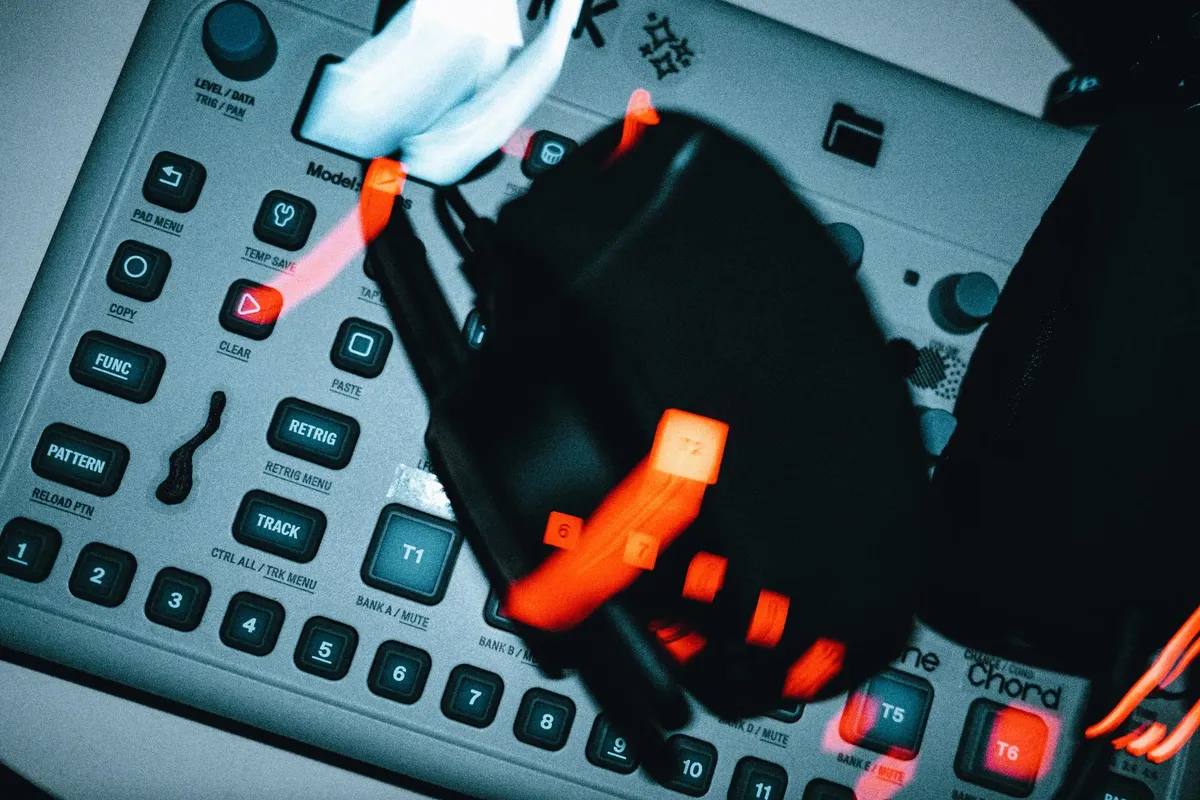
A producer sits at a workstation, feeding vast libraries of audio into a machine to capture a specific genre's soul. The process of gathering these files raises questions about whether the original creators intended their work to be used as fuel for automation.
The acquisition of massive datasets is the foundation of modern generative models. AI music training data requires an enormous volume of high-quality audio to learn complex nuances like rhythm and timbre.
This scale of collection often happens without direct engagement with the individual artists who provided the original recordings.
Historically, the scale of digital information has grown at an unprecedented rate. According to the McKinsey Global Institute, by 2009, nearly all sectors in the US economy had at least an average of 200 terabytes of stored data.
This massive accumulation of information provided the raw material necessary for the advanced algorithms used today.
Could biased data ruin my music AI? AI music data issues
A composer listens to a generated track and notices a repetitive, Western-centric harmonic structure that ignores global musical traditions. This repetition suggests that the underlying dataset might lack the diversity needed for truly global expression.
Bias in music AI data often stems from the disproportionate representation of certain genres or regional styles in available digital archives.
If the training material is heavily skewed toward specific cultural movements, the resulting compositions will struggle to reflect the breadth of human musicality.
The imbalance in music AI data source availability can lead to a feedback loop where only dominant styles are replicated. This can marginalize traditional or niche genres that have less digital presence. Ensuring a balanced dataset is critical to prevent the homogenization of sound.
Will AI music land me in legal trouble?
A lawyer reviews a digital contract, searching for clauses that address the rights of performers against automated imitation. The intersection of copyright law and machine learning creates a landscape of uncertainty for many stakeholders.
The legal landscape is shifting as courts grapple with how to categorize machine-generated outputs. Legal issues AI music involves determining whether using copyrighted works for training constitutes fair use or infringement.
The debate over text and data mining has roots in previous regulatory efforts. The European Commission facilitated stakeholder discussion on text and data mining in 2013, under the title of Licences for Europe.
These discussions laid the groundwork for understanding how large-scale data extraction interacts with existing licensing frameworks.
Could infrastructure needs affect data availability?
A city planner looks out over a skyline, considering the massive power requirements of a new facility. The physical footprint of the hardware required to process data is becoming a central political issue.
The physical infrastructure needed to house and run massive models is subject to local regulations and resource constraints. As data centers expand, their impact on the local power grid becomes a primary concern for municipalities.
In August 2026, Jersey City, New Jersey, approved a ban on standalone data centers with a 9-0 vote. This decision highlights how local governments are reacting to the energy demands of large-scale digital operations.
| Factor | Impact Type | Potential Consequence |
|---|---|---|
| Data Volume | Resource Intensive | High energy consumption |
| Regulatory Shift | Legal Constraint | Operational limitations |
I observed how the scale of these operations changes the conversation from pure technology to community impact.
What is the environmental cost of processing?
An engineer monitors a cooling system in a humming server room, noting the immense heat generated by the processors. The energy required to train and run these models is a growing environmental concern.

According to the International Energy Agency, the larger AI data centers currently under construction could consume as much electricity as 2 million households in 2025.
The sheer amount of electricity needed to maintain massive data centers is significant. The scale of these facilities can place a heavy burden on regional energy supplies.
In 2025, the International Energy Agency estimated that the larger AI data centers currently under construction could consume as much electricity as 2 million households. This estimate underscores the massive energy footprint associated with the growth of high-capacity computing.
This part also covers Data bias in music generation.
Copyright in AI music data
Related
- AI music copyright solutions: How to guide ownership
- CG avatar evolution history: Tips for digital presence guide
How do digital echoes relate to intellectual property?
- The tension between massive data collection and intellectual property rights is central to this debate.
- The digital echoes of a melody might be composed of a thousand stolen whispers when training sets are amassed without clear permissions.
- Determining the rights of performers against automated imitation is a key legal hurdle in this domain.
The legal framework struggles to categorize machine-generated outputs, which directly impacts how existing copyrighted works are treated during the learning phase. This uncertainty affects every stakeholder involved in the creation of AI music.
The historical context of data mining shows a progression toward legislative responses, though current AI applications introduce novel complexities to these established rules. The sheer volume of data complicates the application of traditional licensing frameworks.
What conditions necessitate careful data curation?
- Bias in music AI data often arises from the uneven presence of certain styles within digital archives.
- If the input material lacks diversity, the resulting compositions will fail to capture the full spectrum of human musicality.
- Preventing the homogenization of sound requires actively ensuring a balanced dataset across all cultural expressions.
This curation process is complicated by the scale of collection, which frequently bypasses direct consent from the original artists. The need for balanced data directly counters the tendency toward replicating only dominant musical patterns.
The environmental cost of processing also imposes a condition on data sourcing, as the energy demand scales with the volume of data ingested for training.





Comments 0