Post Internet Music Trends: Guide to Digital Art Sound
"The result is a metastate of looking."
Post-Internet music represents a shift in how sound interacts with a digitally saturated culture, where the distinction between online and offline realities becomes blurred. This movement explores how the internet has fundamentally altered the production, distribution, and consumption of sound.
Key takeaways include an understanding of its cultural context, its relationship with digital art, and its historical development.
What actually defines post-internet music trends?
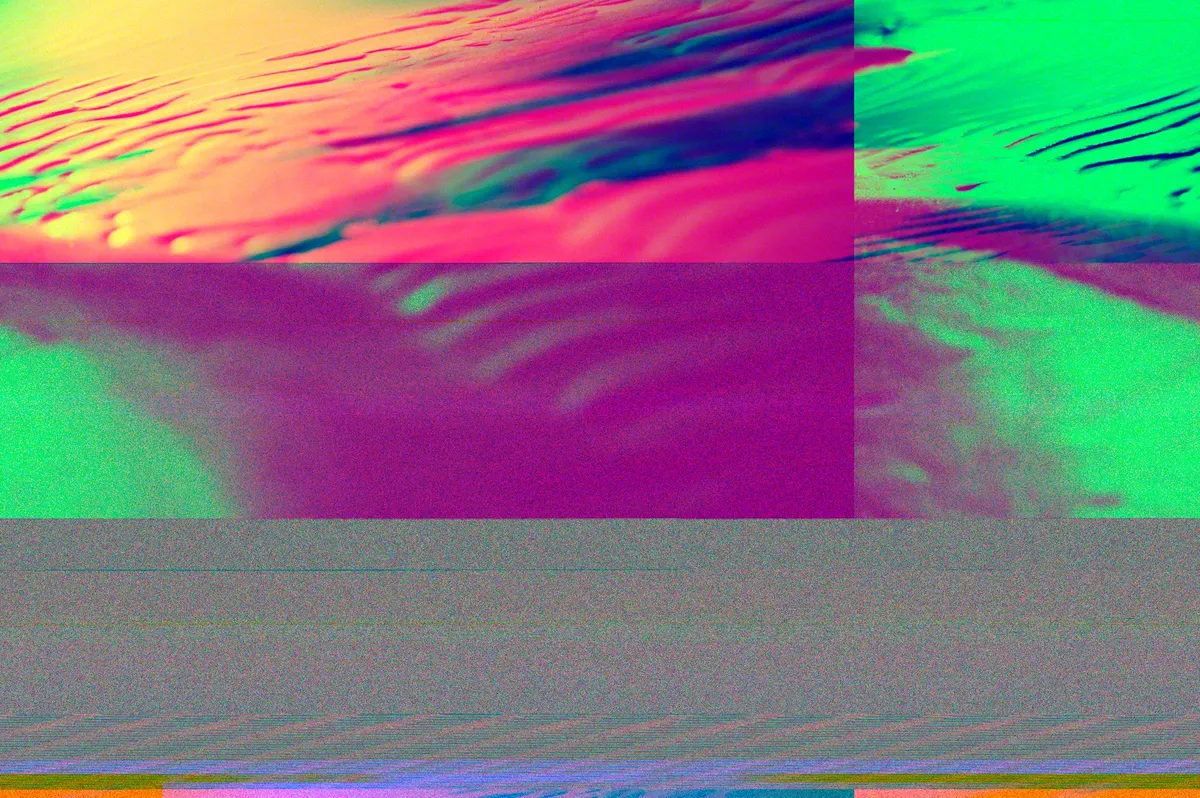
At midnight in the silent studio, I stare at the glowing screen while my fingers trace the jagged shapes of a post-internet waveform. A producer sits in a dimly lit room, staring at a bright monitor where waveforms dance in sync with a flickering cursor. The sound they create is not just for ears but for a screen-based existence.
Post-Internet music trends reflect a reality where the internet is no longer a separate tool but an integrated part of daily life. This genre explores the friction between physical sound and digital distribution. It often utilizes the aesthetics of the web to create sonic environments.
The term does not refer to music made after the internet was invented, but rather to music that acknowledges the internet's pervasive influence. Artists often pull from the visual language of the web to inform their compositions.
This creates a unique intersection where digital art and sound merge into a single experience.
However, these definitions may not apply to purely acoustic compositions that lack digital mediation. I will address this conceptual framework in the following section.
How did the history of post-internet music evolve?
An archival researcher scrolls through old forum posts, tracing the lineage of a sound that once felt niche but now feels ubiquitous. The digital trail leads to a specific moment of cultural shift.
The history of post-internet music is tied to the transition from a "connected" world to an "always-on" culture. This evolution traces how artists moved from using the internet as a medium to living within its cultural fallout. It is a history of shifting perspectives on digital identity.

In 2018, music and culture critic Adam Harper wrote an article entitled "Charting the evolution of post-internet music" for Red Bull Music Academy. According to that article, the movement reflects a specific period of cultural change where the internet's presence is assumed.
This context helps listeners understand the intentionality behind the sounds.
This historical overview remains limited when applied to niche subgenres that exist outside of mainstream digital platforms. In this sequence, the second part is the most extensive.
How do we understand digital art in contemporary sound?
A digital artist adjusts the parameters of a synthesizer, watching as the visual output reacts to the shifting frequencies. The boundary between the medium and the message evaporates.
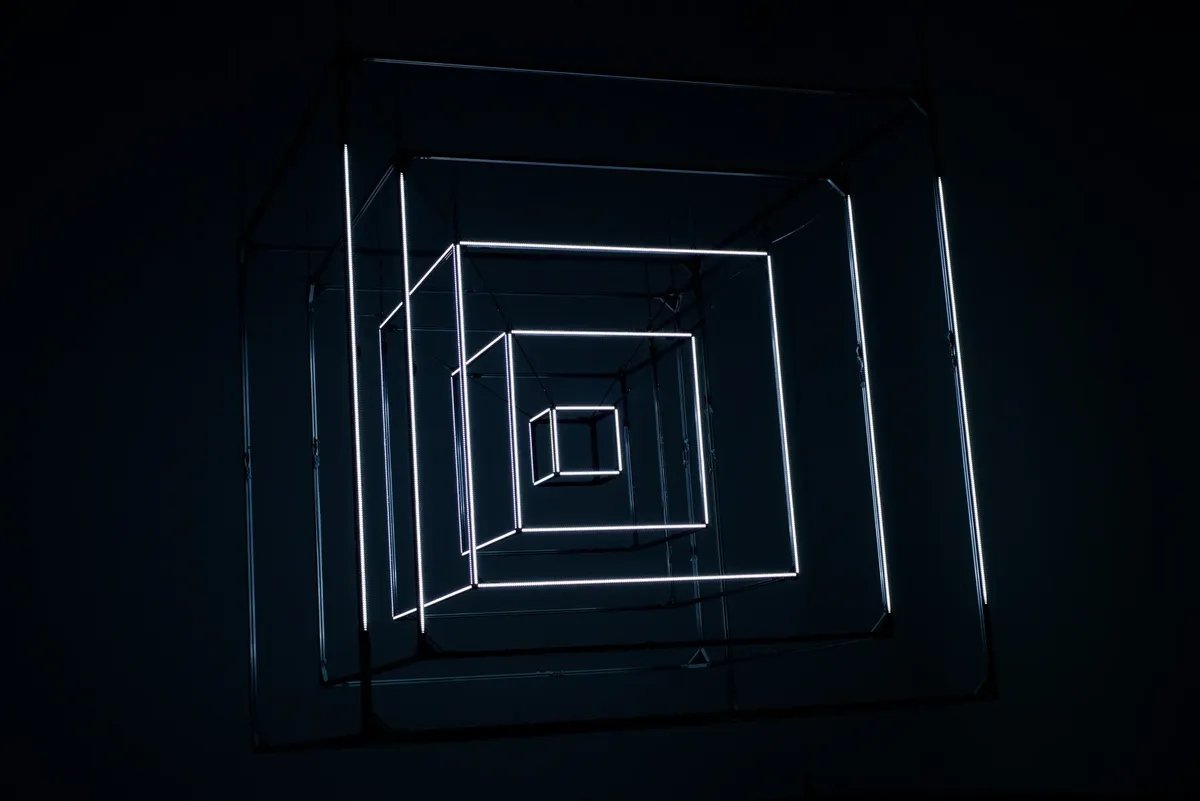
Digital art in contemporary sound often involves the manipulation of data, glitch aesthetics, and algorithmic processes. This intersection creates a space where the listener is also a viewer. The sonic texture is often inseparable from the visual or technological framework used to create it.
Artists frequently treat digital artifacts—like compression noise or software glitches—as valid musical elements. This approach challenges traditional notions of "clean" production. By embracing these digital imperfections, they highlight the technological reality of their medium.
This perspective is not applicable to soundscapes that do not incorporate visual or algorithmic elements. I point to the preceding discussion to establish this context.
What defines these new modern music flows?
A listener wears headphones in a crowded subway, lost in a soundscape that feels both hyper-real and strangely detached from their physical surroundings. The music reflects a fragmented reality.
New modern music flows often prioritize texture and atmosphere over traditional melody or structure. These sounds can feel fragmented, much like a web browser with too many tabs open. This reflects the fractured attention spans of the digital age.
These flows often utilize sampling and recontextualization to comment on consumer culture. By using sounds that are instantly recognizable from digital media, artists create a sense of familiarity and alienation simultaneously. This tension is a hallmark of the genre.
These characteristics may not hold true for traditionalist movements that reject digital distribution. This section serves as the fourth step in my analysis.
What are the implications of defining experimental music now?
A programmer runs a script that generates a sequence of notes, observing how the machine interprets human-designed parameters. The experiment is ongoing and unpredictable.
Defining experimental music now requires looking at how technology democratizes and complicates the creative process. Experimentation often happens at the intersection of human intent and algorithmic output. It challenges the definition of an "author" in a digital space.

The use of automated tools can create sounds that were previously impossible to perform or imagine. This pushes the boundaries of what is considered "musical" in a traditional sense. The experiment lies in how much of the human element remains visible within the digital structure.
The implications are limited when the definition is applied to static musical works that do not evolve. I refer back to the previous section to clarify this point.
Wikipedia: Artificial intelligence in music (full) Based on the retained excerpt mentioning Natural History Museum: The website was used to create over 1 million pieces of music, and brands that used it included Coca-Cola, Google, UKTV, and the Natural History Museum, London.
Related
- Text to video music AI tips for visual alignment
- Virtual character music strategy: Why use digital personas
How does the 'result' relate to the 'metastate'?
- The result is a metastate of looking, indicating a state where observation itself becomes the primary mode of experience.
- This metastate arises because digital saturation forces a constant state of visual and sonic reception.
- The continuous flow of digital information conditions how the listener perceives the sound.
This constant state of looking suggests that the act of consuming the music mirrors the act of navigating the internet itself. The music becomes a reflection of this pervasive digital gaze. The result is not a final product but an ongoing condition of perception.
This relationship may become obscured in cases where the creative process and the final output are entirely decoupled. This final part concludes the sequence I have laid out.
What are the conditions for sonic immersion in this genre?
- Sonic immersion requires acknowledging the internet's pervasive influence on the sound's creation.
- The genre conditions the listener to accept digital artifacts as integral parts of the composition.
- A key condition involves the blurring of the line between the physical sound and its digital distribution framework.
When artists embrace these digital imperfections, they establish a condition where the technology itself becomes part of the aesthetic. This challenges the traditional expectation of sonic perfection found in older music forms.
The metastate of looking is sustained by these accepted digital conditions.




Comments 0