Text to video music AI tips for visual alignment
"The ability to synchronize sound and vision is no longer just a manual craft for editors, but a rapidly evolving frontier of algorithmic intelligence."
The integration of music and video through AI models is shifting from simple visual overlays to unified, high-frequency generative processes. This evolution focuses on temporal consistency, where audio and visual elements are synthesized simultaneously to ensure rhythmic and emotional alignment.
Key takeaways: * Advancements in world models allow for faster video generation and longer durations. * Unified audio-video generation enables professional-grade 50-fps rendering. * Generative AI is increasingly used by younger demographics for content creation and engagement.
How does Text to video music AI work?
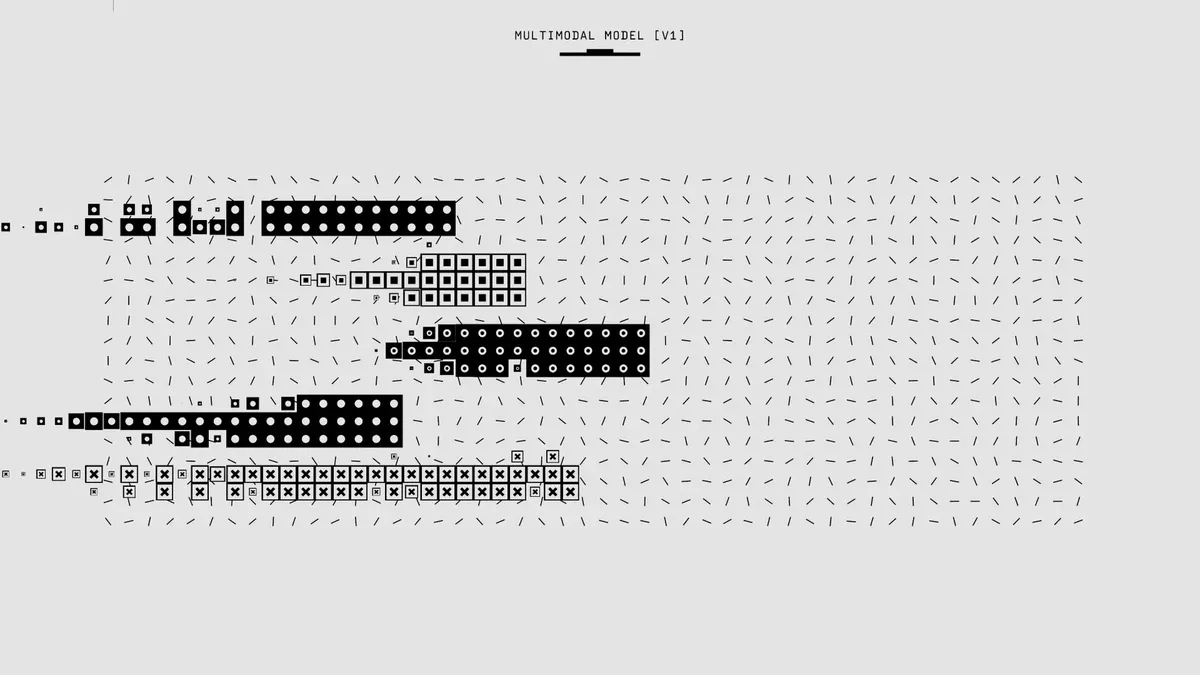
At midnight, I tap the keyboard in my dimly lit office as the text begins to pulse with a low, rhythmic hum.
A user types a prompt into a terminal, and a sequence of flickering frames begins to materialize in sync with a synthesized beat. This process involves translating linguistic descriptions into multidimensional latent spaces where both visual textures and acoustic frequencies can be mapped.
The core of Text to video music AI lies in the ability to interpret semantic meaning and convert it into temporal data. By understanding the relationship between a word like "melancholic" and specific visual or auditory attributes, the model can generate cohesive scenes.
This allows for a more seamless transition between different sensory outputs within a single generative pass.
The technical challenge involves maintaining coherence over time as the model expands its temporal window. Early models struggled with short clips, but the field is moving toward more robust world models.
These systems aim to simulate physical reality, making the movement of objects and the timing of sound more natural.
- The model interprets the semantic meaning of the text prompt.
- It generates a latent representation of the desired audio characteristics.
- A diffusion process refines the noise into a coherent musical waveform.
What drives Generative AI music viz advancement?
At midnight in the quiet office, my eyes widen as I watch the text transform into a pulsing digital landscape that vibrates against my fingertips.
An artist adjusts a slider on a screen, watching as a digital landscape pulses in perfect harmony with a swelling orchestral track.
This kind of Generative AI music viz relies on the synchronization of frame rates and audio sampling to prevent the visual "drift" that often plagues amateur digital work.

The advancement of Generative AI music viz is largely driven by the move toward unified generation architectures. Instead of generating video and audio separately and trying to match them later, modern models work on a shared temporal framework.
This ensures that a drum beat or a sudden musical shift triggers an immediate, mathematically coherent visual response.
As these tools evolve, they become more efficient at handling complex data. The goal is to create a single model that understands how sound waves and light interact in a simulated environment.
This convergence is essential for creating immersive digital worlds where the audio feels physically grounded in the visual space.
In this sequence, the first step is the most fundamental.
Can AI visual music tech replace professional studios?
A director sits in a darkened studio, observing a high-resolution monitor where a 10-second clip renders in mere seconds. The integration of AI visual music tech into professional pipelines is being tested through high-frame-rate rendering and rapid processing speeds.
The potential for AI visual music tech to disrupt traditional workflows is significant due to its speed and rendering capabilities. For example, certain models can now generate 10-second videos in under 7 seconds, drastically reducing the time required for prototyping.
This efficiency allows creators to iterate on complex visual-audio concepts much faster than traditional methods.
Professional studios are looking at how these models handle high-fidelity output, such as 50-fps rendering. This level of smoothness is critical for maintaining the "filmmaking game" where timing is everything.
While it offers immense power to independent creators, the transition requires mastering these new, high-speed tools to maintain quality.
Why are Text video music models important?
A musician watches as a series of abstract shapes dance across a screen, responding to the pitch of a synthesized flute. These Text video music models act as a bridge between abstract human intent and concrete sensory output, providing a way to visualize sound through text-based commands.
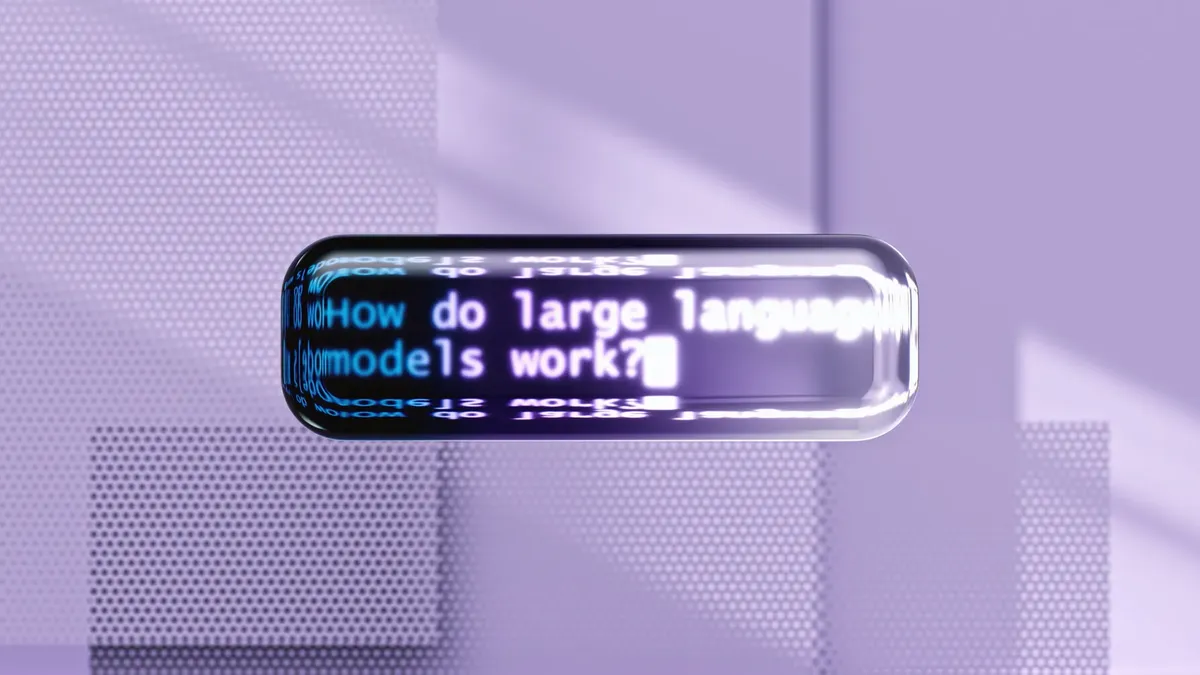
The importance of Text video music models stems from their ability to democratize high-end production. By allowing users to input text to guide both sound and sight, the barrier to entry for complex multimedia creation is lowered.
This technology enables a new form of storytelling where the mood is set through a combination of descriptive language and algorithmic response.
As these models grow, they are increasingly used for more than just entertainment. They are being explored for training purposes, such as robotics, where understanding the relationship between motion and sound is vital.
The ability to generate longer videos, exceeding 60 seconds, further expands their utility in narrative storytelling.
How does AI model music synthesis handle timing?
A digital clock ticks on a desk as a computer processes a complex sequence of rhythmic pulses and visual flashes. The precision of AI model music synthesis is measured by its ability to align temporal data across different sensory modalities without lag or misalignment.
In the realm of AI model music synthesis, timing is the most critical variable for realism. If the visual movement does not match the audio's tempo, the immersion is broken.
Advanced models address this by using unified generation techniques that treat audio and video as two sides of the same temporal coin.
This synchronization is vital for professional-grade content. A model that can handle high-frequency rendering ensures that the visual motion is as fluid as the audio it accompanies.
This prevents the jarring disconnect between sound and sight that was common in earlier, less sophisticated generative tools.
What are the limitations of current generation tools?
A researcher looks at a screen showing a glitch in a generated character's movement, noting where the physics fails to match the sound. Despite the rapid progress, the ability to maintain perfect physical and auditory consistency in long-form content remains a significant challenge.

One primary limitation is the computational cost and the difficulty of maintaining consistency in very long sequences. While some models can generate videos longer than 60 seconds, keeping the visual and audio elements coherent over several minutes is still a developing area.
The complexity of "world models" means that as the environment becomes more detailed, the processing power required grows exponentially.
Furthermore, the accuracy of the physical simulation can sometimes falter. While models move toward robotics training, the gap between a simulated world and the real world can lead to uncanny movements.
This technical hurdle means that while the tools are powerful, they still require human oversight to ensure the output meets professional standards.
Related




Comments 0